June 24
Inti Raymi
The Inca Sun Festival in Cusco. Colorful costumes, Quechua speeches, and a hillside crowd — children love it. Book accommodation months ahead.
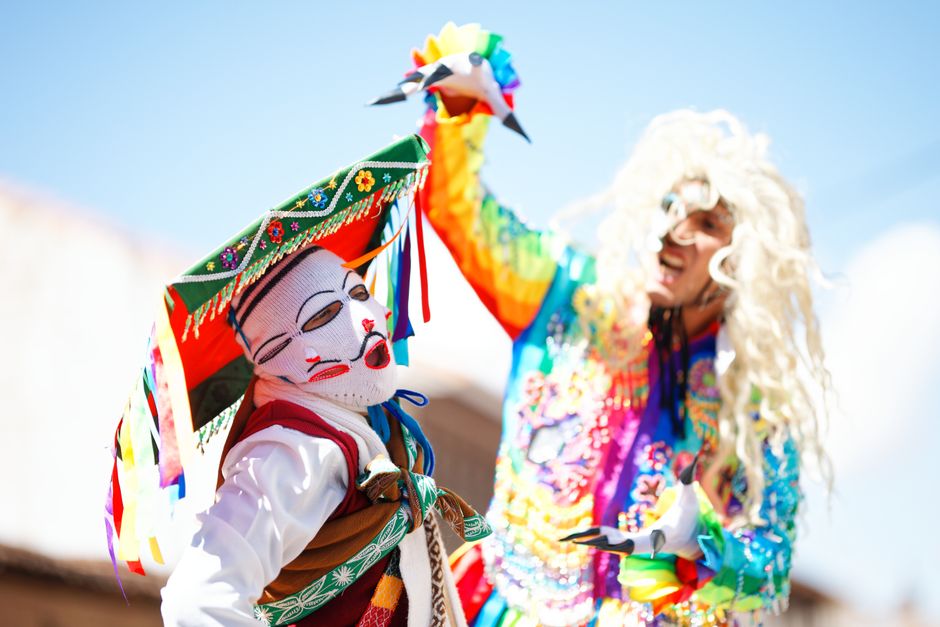
Peru isn't just ancient ruins and mountain views. Its culture is alive right now — in street processions, family-run weaving co-operatives, and dishes your kids will actually eat. Here's how to experience it meaningfully.
Find a Trusted AgencyFestivals & Traditions
Cusco's Inti Raymi (Festival of the Sun) — held every June 24 — is the single most spectacular family-friendly festival in Peru. It's a theatrical re-enactment of an Inca ceremony in the open air at Sacsayhuamán, free to watch from the hillsides, and completely safe for children of all ages.
Beyond Inti Raymi, Peru's festival calendar gives families a year-round reason to time their trip carefully. Most festivals are rooted in a blend of indigenous Andean beliefs and Catholic tradition — a cultural layering that kids find genuinely surprising once it's explained. Witnessing a festival is also one of the best ways to connect the living culture to the ancient wonders of Machu Picchu and Cusco your family will visit nearby.
June 24
The Inca Sun Festival in Cusco. Colorful costumes, Quechua speeches, and a hillside crowd — children love it. Book accommodation months ahead.
February
Peru's biggest carnival — massive water-balloon battles, street dancing, and floats. Messy, loud, and absolutely thrilling for older kids.
November
Lake Titicaca's founding festival features Uros island dancers and traditional reed-boat ceremonies. One of Peru's most visually rich events.
December
Cusco's Christmas Eve artisan fair fills the Plaza de Armas with handmade nativity figures and toys — a rare chance to buy directly from makers.
Planning around a festival? Read our family travel tips for Peru on timing, altitude acclimatisation, and what to pack for outdoor events.
Peruvian Cuisine for Families
Peruvian food is genuinely one of the most kid-friendly cuisines in South America. Lomo saltado (stir-fried beef with chips and rice), empanadas, and fresh fruit juices are crowd-pleasers even for cautious young eaters. Peru's cuisine is diverse enough that no child goes hungry.
Lima in particular has become one of the world's most talked-about food cities — and you don't need to eat at a famous restaurant to experience that quality. Local menú del día restaurants (set-lunch spots) serve home-style food at very low prices and are where most Peruvian families eat. For a hands-on experience, look for family cooking classes in Cusco or the Sacred Valley, where children can grind spices, shape dough, and taste as they go.
Note that ceviche uses raw fish marinated in citrus — perfectly safe and delicious, but worth introducing to kids gradually. Altitude can suppress appetite in the first day or two around Cusco, so keep meals light and familiar at first. Our family travel tips page covers altitude adjustment in detail.
Artisan Markets
Chinchero market, in the Sacred Valley above Cusco, is the single best artisan market for families. Local Quechua women demonstrate traditional weaving on a backstrap loom, explain natural plant dyes, and sell textiles directly — no middlemen, no staged performance. Children can try the loom themselves.
Markets across Peru vary hugely in authenticity. The most meaningful ones are tied to living craft traditions rather than mass-produced souvenirs. When shopping, teaching children to look at the quality of stitching and ask about origin is itself a cultural lesson. Bargaining is normal but should be respectful — artisans rarely set prices outrageously high to begin with.
Living weaving cooperative. Women demonstrate dyeing and weaving; textiles sold direct. Combine with the nearby Inca ruins at Chinchero.
The city's main covered market — produce, dried herbs, chicha, and local snacks. A vivid sensory experience for curious older children.
Sunday market with ceramics, weavings, and silverwork. Larger and more touristic than Chinchero, but still a fun browse for families.
Amazon jungle produce and crafts in Peru's main rainforest city. Best visited with a local guide who can explain the plants and their traditional uses.

Community Tourism
Community tourism in Peru means staying with or visiting indigenous and rural families who host travellers as a source of income — keeping money local and giving visitors a genuine window into daily life. For families, it's often the most memorable part of the whole trip.
The Uros floating islands on Lake Titicaca and the Quechua villages of the Sacred Valley are the most established community tourism destinations. On the Uros islands, children can ride a traditional reed boat and meet local families who still live largely as their ancestors did. In Sacred Valley communities, families can spend a morning farming with a local family, learning about quinoa or potato cultivation — Peru has over three thousand native potato varieties.
Community experiences work best when booked through a reputable local operator rather than arranged at the gate. Look for operators that are transparent about how income is shared. Our recommended agency guide lists operators vetted for ethical community partnerships.
The festivals, markets, and communities described here are real and bookable — but the best experiences need the right guide. We've vetted agencies that specialise in cultural family travel across Peru, so you get genuine access, not a staged show.
Browse Recommended Agencies